
Understanding Electric Vehicle Charging: A Comprehensive Guide
Understanding electric vehicle charging involves knowing the types and speeds of chargers. It is essential for EV owners.
Electric vehicles (EVs) are becoming more popular, and understanding their charging options is crucial. There are three main types of chargers: Level 1, Level 2, and DC Fast Charging. Level 1 chargers use standard household outlets and are the slowest.
Level 2 chargers require a special installation and provide faster charging times. DC Fast Charging offers the quickest charge but is less common and usually found at commercial locations. Knowing these options helps EV owners plan their charging needs and manage their vehicle’s battery life efficiently. This knowledge ensures a seamless and stress-free EV experience.

Credit: blog.evbox.com
Introduction To Ev Charging
Electric vehicles (EVs) are becoming more popular every day. Understanding EV charging is essential for anyone interested in this technology. This section will guide you through the basics of EV charging, its importance, and current market trends.
Importance Of Ev Charging
EV charging is crucial for the growth of electric vehicles. It ensures that EVs have enough power to travel long distances. Without efficient charging, EV adoption would slow down.
There are different types of EV chargers. They vary in charging speed and convenience. Here’s a quick comparison:
| Charger Type | Charging Speed | Use Case |
|---|---|---|
| Level 1 | Slow | Home Charging |
| Level 2 | Moderate | Public and Home Charging |
| DC Fast Charger | Fast | Public Charging |
Current Market Trends
There are several key trends in the EV charging market:
- Increase in public charging stations
- Advancements in fast-charging technology
- Integration of renewable energy sources
These trends make EV charging more accessible and eco-friendly. More companies are investing in EV infrastructure. This growth supports the wider adoption of electric vehicles.
The market for EV charging is expected to grow significantly. Governments are also supporting this growth with various incentives.
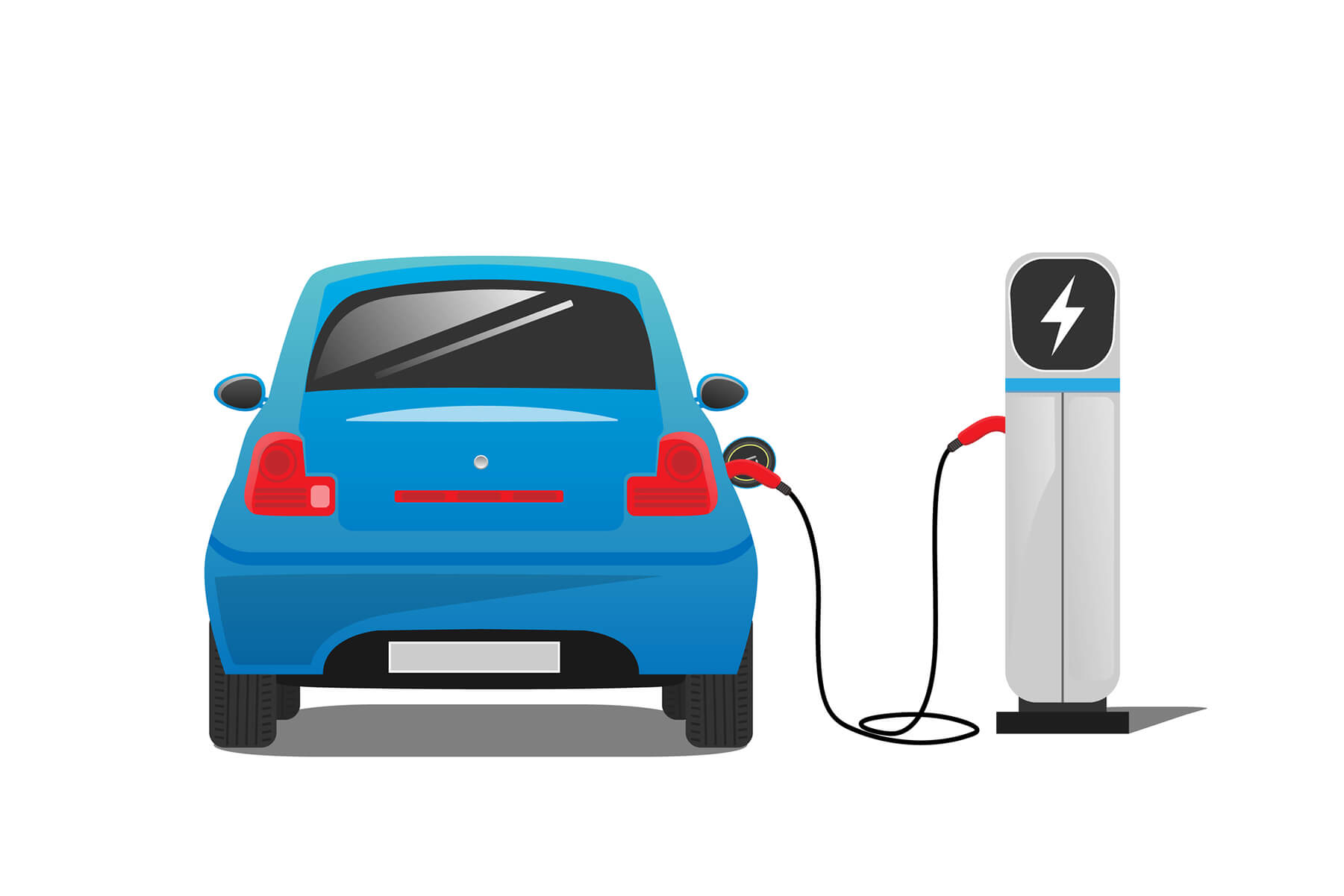
Credit: evocharge.com
Types Of Ev Chargers
Understanding the different types of EV chargers is essential for electric vehicle owners. Each type offers varying charging speeds and uses. Let’s dive into the three main types: Level 1 Chargers, Level 2 Chargers, and DC Fast Chargers.
Level 1 Chargers
Level 1 Chargers are the most basic type of EV chargers. They use a standard 120-volt household outlet. This makes them very convenient for home use.
- Charging Speed: 2 to 5 miles of range per hour
- Best For: Overnight charging at home
- Cost: Low, often included with the vehicle
Level 1 chargers are ideal for drivers who travel short distances daily. They are also a good option for those who have ample time to charge their car overnight.
Level 2 Chargers
Level 2 Chargers are faster than Level 1 chargers. They use a 240-volt outlet, like those used for large appliances.
- Charging Speed: 10 to 60 miles of range per hour
- Best For: Daily use at home or work
- Cost: Moderate, but installation may be required
Level 2 chargers are perfect for drivers who need a quick recharge during the day. Many public charging stations also use Level 2 chargers.
Dc Fast Chargers
DC Fast Chargers are the quickest option available. They use direct current (DC) instead of alternating current (AC).
- Charging Speed: 80% charge in 20-30 minutes
- Best For: Long trips and quick top-ups
- Cost: High, usually found in commercial locations
DC Fast Chargers are ideal for long-distance travel. They are commonly found along highways and in public charging stations.
| Charger Type | Voltage | Charging Speed | Best For |
|---|---|---|---|
| Level 1 Charger | 120V | 2-5 miles per hour | Overnight home charging |
| Level 2 Charger | 240V | 10-60 miles per hour | Daily use at home or work |
| DC Fast Charger | 480V | 80% in 20-30 minutes | Long trips and quick top-ups |
Home Charging Solutions
Electric vehicles (EVs) are changing how we think about transportation. To keep your EV charged, you need a reliable home charging solution. Home charging is convenient and can save you money in the long run. Let’s explore the best options for home charging.
Home Charger Installation
Installing a home charger is essential for EV owners. You can charge your vehicle overnight, ensuring it’s ready each morning. There are two main types of home chargers: Level 1 and Level 2.
- Level 1 Charger: Uses a standard 120V outlet. It provides a slow charge.
- Level 2 Charger: Uses a 240V outlet. It charges much faster.
Most EV owners prefer Level 2 chargers for their speed. An electrician should install the charger to ensure safety and compliance with local codes.
Costs And Incentives
Home charger installation costs can vary. A basic Level 1 charger may cost around $300. A Level 2 charger can range from $500 to $2,000, depending on the model and features.
| Charger Type | Approximate Cost |
|---|---|
| Level 1 | $300 |
| Level 2 | $500 – $2,000 |
There are many incentives available to help offset these costs. Some states offer rebates for EV charger installations. The federal government also provides tax credits. Check with your local utility company for additional rebates and incentives.
- Federal tax credits
- State rebates
- Utility company incentives
Taking advantage of these incentives can make home charging more affordable.

Credit: eepower.com
Public Charging Infrastructure
Electric vehicles (EVs) are growing in popularity. One key factor is the availability of public charging infrastructure. This network of charging stations helps drivers charge their vehicles on the go.
Charging Networks
There are many charging networks available. Each network offers unique benefits. These networks include:
- ChargePoint – Known for its extensive network and user-friendly app.
- Tesla Supercharger – Exclusive to Tesla vehicles, with rapid charging speeds.
- EVgo – Offers fast charging stations in urban areas.
- Electrify America – Provides high-speed chargers across the country.
Choosing the right network depends on your needs. Consider factors like location, speed, and cost.
Locating Public Chargers
Finding a public charger is easy. Several tools can help:
- Use mobile apps like PlugShare and ChargeHub.
- Check your car’s navigation system.
- Visit charging network websites.
Many chargers are located in convenient spots. You’ll find them at shopping centers, parking lots, and highways. The goal is to ensure you can always find a charger when needed.
Here’s a quick comparison of some popular networks:
| Network | Speed | Coverage | Cost |
|---|---|---|---|
| ChargePoint | Moderate to Fast | Extensive | Varies |
| Tesla Supercharger | Very Fast | Exclusive to Tesla | Moderate |
| EVgo | Fast | Urban Areas | Moderate |
| Electrify America | High Speed | Nationwide | Varies |
Understanding these networks and locations is key. It ensures a smooth and worry-free electric vehicle experience.
Charging Costs And Payment Methods
Understanding electric vehicle charging costs and payment methods is crucial. Knowing how much you spend and the best way to pay saves money and time.
Pricing Models
There are various pricing models for electric vehicle charging. Here are the most common ones:
- Per Kilowatt-Hour (kWh): You pay for the energy consumed.
- Time-Based: You are charged for the time your car is plugged in.
- Flat Rate: A fixed fee for each charging session.
- Subscription: Pay a monthly fee for unlimited charging.
Payment Options
Electric vehicle charging stations offer multiple payment options. Choose the one that suits you best:
| Payment Method | Description |
|---|---|
| Credit/Debit Cards | Swipe or tap your card to pay. |
| Mobile Apps | Use an app to start and stop charging. |
| RFID Cards | Scan your RFID card to begin charging. |
| Subscription Services | Pay monthly for access to multiple stations. |
Some stations also support contactless payments. This offers more convenience and speed.
Technological Advances
Electric vehicle charging has seen many technological advances. These improvements make charging faster, easier, and more efficient. Two of the most exciting developments are smart charging and wireless charging.
Smart Charging
Smart charging lets you control when and how your car charges. You can schedule charging during off-peak hours. This saves money and helps the power grid. Many smart chargers connect to apps on your phone. These apps offer real-time updates and control.
Some smart chargers even use artificial intelligence to optimize charging. They learn your driving habits and adjust the charging schedule. This ensures your car is always ready to go.
Wireless Charging
Wireless charging removes the need for cables. You simply park your car over a charging pad. This technology uses inductive charging. Electricity transfers from the pad to the car through a magnetic field.
Wireless charging is very convenient. It is especially useful for people with limited mobility. Some public places are installing wireless charging pads in parking spots. This makes it easy to charge your car while you shop or dine.
| Feature | Smart Charging | Wireless Charging |
|---|---|---|
| Ease of Use | High | Very High |
| Efficiency | Optimized | Good |
| Cost | Medium | High |
- Smart charging saves money
- Wireless charging offers convenience
- Both technologies improve user experience
Environmental Impact
Electric vehicles (EVs) promise a greener future. Understanding their environmental impact is crucial. This section delves into how EV charging positively affects our planet.
Reducing Carbon Footprint
EVs produce fewer emissions than traditional cars. This helps in reducing the carbon footprint. Charging an EV with clean energy further cuts down emissions. Here’s a quick comparison:
| Vehicle Type | CO2 Emissions (g/km) |
|---|---|
| Gasoline Car | 180-200 |
| Diesel Car | 140-160 |
| Electric Vehicle | 0 (Direct Emissions) |
Electric vehicles have no direct CO2 emissions. They significantly reduce air pollution in cities.
Renewable Energy Integration
Charging EVs with renewable energy sources is a game-changer. Solar, wind, and hydro power can charge EVs. This integration has immense benefits:
- Cleaner Energy: Reduces reliance on fossil fuels.
- Lower Emissions: Green energy leads to fewer greenhouse gases.
- Energy Independence: Promotes local renewable energy production.
Renewable energy integration supports a sustainable future. EVs and clean energy work hand-in-hand.
Future Of Ev Charging
The future of EV charging looks bright and full of promise. With advancements in technology, EV charging will become faster and more efficient. Let’s explore the upcoming innovations, challenges, and opportunities in EV charging.
Upcoming Innovations
Exciting innovations are on the horizon for EV charging. Here are some of the most promising:
- Ultra-Fast Charging: New chargers can power EVs in minutes.
- Wireless Charging: Charge your EV without plugging in.
- Smart Grids: Manage power better with intelligent systems.
- Solar-Powered Chargers: Use the sun to charge your car.
Challenges And Opportunities
There are challenges and opportunities in EV charging. Addressing these will help the industry grow:
| Challenges | Opportunities |
|---|---|
| Infrastructure: Building enough charging stations. | Job Creation: New jobs in tech and construction. |
| Standardization: Different chargers for different cars. | Innovation: Create better and faster chargers. |
| Cost: High cost of installing chargers. | Sustainability: Use renewable energy sources. |
By addressing these challenges, we can unlock new opportunities for growth.
Frequently Asked Questions
How Do You Understand Ev Charging Rates?
EV charging rates depend on factors like power level, time of use, and location. Typically measured in kilowatts (kW).
Should I Charge My Ev To 80% Or 90?
Charge your EV to 80% for better battery longevity. Charging to 90% is fine for longer trips.
What Are The 3 Levels Of Ev Charging?
The three levels of EV charging are Level 1, Level 2, and DC Fast Charging. Level 1 uses standard outlets, Level 2 requires dedicated stations, and DC Fast Charging offers rapid charging at commercial stations.
How Does Charging Work In Electric Vehicle?
Electric vehicles charge by plugging into an electric power source. Charging stations provide different levels of power. Level 1 uses standard outlets, Level 2 uses special equipment, and Level 3 offers fast charging. Charging duration varies by battery size and power level.
Conclusion
Understanding electric vehicle charging is crucial for future mobility. Embrace the benefits and convenience of EVs. Stay informed about charging options and advancements. This knowledge will help you make better decisions. Transitioning to electric vehicles can be seamless with the right information.
Stay green and enjoy the ride!