
Guide to Macros And Micros: Decoding Nutrition Labels Easily
Macros and micros are essential components of nutrition labels. They help you understand the nutritional value of your food.
Understanding nutrition labels is crucial for making informed dietary choices. Macros, or macronutrients, include carbohydrates, proteins, and fats, which provide the bulk of our energy. Micros, or micronutrients, consist of vitamins and minerals that support various bodily functions. Reading these labels can help you maintain a balanced diet and meet your health goals.
Many people overlook the importance of these details, but they play a significant role in overall wellness. By learning to read nutrition labels, you can better manage your intake of essential nutrients. This knowledge empowers you to make healthier food selections daily.
Introduction To Nutrition Labels
Understanding nutrition labels is crucial for making informed food choices. These labels offer vital information about the food you eat. They help you track your intake of calories, fats, proteins, and other nutrients. Knowing how to read them can aid in managing your diet effectively. This guide will break down the essential components of nutrition labels.
Importance Of Reading Labels
Reading nutrition labels helps you understand what you are consuming. It allows you to compare different products and make healthier choices. Labels list ingredients and their amounts, giving you control over your diet.
- Calories: Know the energy content per serving.
- Fat: Check for types of fat, like saturated and trans fats.
- Protein: Essential for muscle and tissue repair.
- Sugar: High sugar can lead to health issues.
Common Misconceptions
Many people misunderstand nutrition labels. They may think all fats are bad. But some fats are essential for health. Another common misconception is that low-calorie foods are always healthy. This is not true. Some low-calorie foods may lack essential nutrients.
People also often ignore serving sizes. A product may seem healthy, but the serving size might be very small. This can lead to overeating. Always check the serving size and compare it to what you eat.
Another myth is that “natural” or “organic” labels mean healthier. These labels do not always mean low in calories or sugar. Always read the full nutrition label for a complete understanding.
| Misconception | Reality |
|---|---|
| All fats are bad | Some fats are essential |
| Low-calorie means healthy | May lack nutrients |
| Ignore serving size | Can lead to overeating |
| “Natural” means healthy | Read the full label |
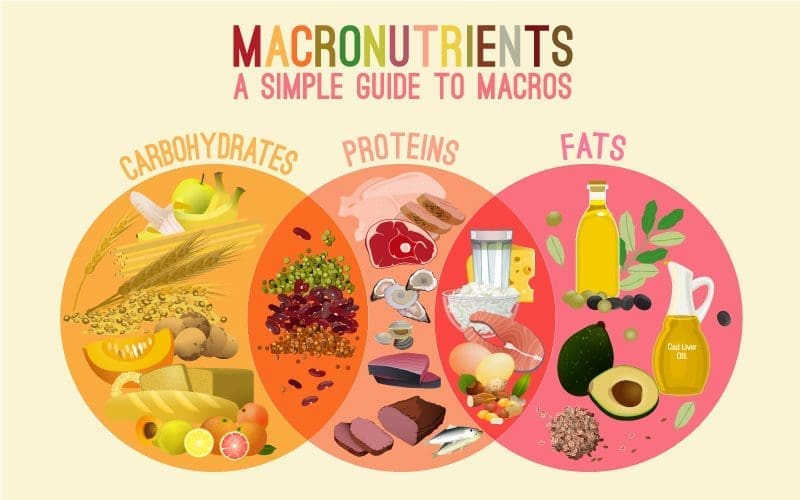
Credit: avitahealth.org
Macronutrients Explained
Understanding macronutrients is essential for a balanced diet. Macronutrients are nutrients your body needs in large amounts. They provide energy and are vital for growth and maintenance. The three main macronutrients are proteins, carbohydrates, and fats.
Proteins
Proteins are the building blocks of the body. They help in muscle growth and repair. Proteins also support your immune system.
- Functions: Muscle repair, immune support, enzyme production
- Sources: Meat, fish, eggs, beans, nuts
Carbohydrates
Carbohydrates provide the body’s main source of energy. They fuel your brain and muscles.
- Functions: Main energy source, brain fuel, muscle fuel
- Sources: Bread, rice, pasta, fruits, vegetables
Fats
Fats are essential for energy storage. They help in absorbing vitamins and protect your organs.
- Functions: Energy storage, vitamin absorption, organ protection
- Sources: Avocado, nuts, seeds, olive oil, fatty fish
| Macronutrient | Primary Function | Common Sources |
|---|---|---|
| Proteins | Muscle repair, immune support | Meat, fish, eggs, beans, nuts |
| Carbohydrates | Main energy source | Bread, rice, pasta, fruits, vegetables |
| Fats | Energy storage, vitamin absorption | Avocado, nuts, seeds, olive oil, fatty fish |
Micronutrients Demystified
Understanding micronutrients is key to decoding nutrition labels. These essential nutrients, though needed in small amounts, play a vital role in maintaining health. Let’s demystify these micronutrients, focusing on vitamins and minerals.
Vitamins
Vitamins are organic compounds crucial for various body functions. Each vitamin has a unique role:
- Vitamin A: Important for vision and immune function.
- Vitamin C: Boosts the immune system and acts as an antioxidant.
- Vitamin D: Helps with calcium absorption and bone health.
- Vitamin E: Protects cells from damage.
- Vitamin K: Essential for blood clotting and bone health.
Vitamins are categorized into two types:
- Water-soluble: Includes B vitamins and vitamin C.
- Fat-soluble: Includes vitamins A, D, E, and K.
Minerals
Minerals are inorganic elements needed for various bodily functions. Key minerals include:
| Mineral | Function |
|---|---|
| Calcium | Essential for strong bones and teeth. |
| Iron | Required for making red blood cells. |
| Potassium | Helps maintain normal blood pressure. |
| Magnesium | Involved in over 300 enzymatic reactions. |
| Zinc | Supports immune function and wound healing. |
Ensure your diet includes a variety of vitamins and minerals. This supports overall health and well-being.
Daily Recommended Values
Understanding daily recommended values is key to healthy eating. These values guide how much of each nutrient you need daily. Reading nutrition labels helps you make better food choices. Let’s dive into the details.
Understanding Percentages
Nutrition labels show percentages next to nutrients. These percentages are called % Daily Values (DV). They tell you how much of a nutrient one serving of food provides compared to a daily diet. For example, if a label says 20% DV for calcium, one serving gives you 20% of the calcium you need daily.
Here is a simple table to understand % Daily Values:
| Nutrient | % DV |
|---|---|
| Vitamin C | 50% |
| Iron | 10% |
| Calcium | 20% |
Remember, 5% DV or less is low, and 20% DV or more is high. This helps you quickly see if a food is high or low in a nutrient.
Customized Needs
Everyone’s nutrient needs are different. Children, adults, and seniors need different nutrients. Active people might need more protein and carbs. People watching their weight might focus on lower fat options.
Here are examples of customized needs:
- Children: Need more calcium for growing bones.
- Adults: Might need more fiber for digestion.
- Seniors: Need more vitamin D for bone health.
Consult with a nutritionist to know your exact needs. This helps you understand what to look for on nutrition labels.
Hidden Ingredients
Nutrition labels often hide certain ingredients that can be unhealthy. These hidden ingredients can affect your diet without you knowing. Learn to spot these hidden dangers.
Added Sugars
Added sugars are sugars and syrups put into foods during processing. Many foods have added sugars, even ones you wouldn’t expect. These extra sugars can lead to weight gain and other health issues.
- Sucrose
- High-fructose corn syrup
- Maltose
- Dextrose
Check the ingredient list for these names. Choose products with less added sugar. Natural sugars found in fruits are better for your health.
Artificial Additives
Artificial additives are chemicals added to foods to improve taste or shelf life. Some additives can be harmful over time. Common artificial additives include:
- Artificial flavors
- Colors (like Red 40, Yellow 5)
- Preservatives (such as BHA, BHT)
- Sweeteners (like aspartame, sucralose)
Read labels carefully to avoid these additives. Choose foods with natural ingredients. Fresh, unprocessed foods are often the healthiest choice.
| Hidden Ingredient | Common Sources |
|---|---|
| Added Sugars | Soda, candy, baked goods |
| Artificial Additives | Packaged snacks, processed meats |

Credit: onlinedoctor.lloydspharmacy.com
Interpreting Serving Sizes
Understanding serving sizes is crucial for interpreting nutrition labels. Serving sizes provide a reference for the nutritional content of food. Misinterpreting these can lead to incorrect calorie and nutrient intake. This section helps you understand and use serving sizes effectively.
Portion Control
Portion control helps manage calorie intake. Look at the serving size on the label. It tells you the recommended portion. Compare this with the amount you eat. Often, servings are smaller than you think.
- Measure your food to match the serving size.
- Use smaller plates to control portions.
- Store snacks in single-serving bags.
Caloric Impact
Check the calories per serving on the label. Multiply by the number of servings you consume. This gives your total calorie intake. Be mindful of high-calorie foods.
| Food | Serving Size | Calories per Serving |
|---|---|---|
| Chips | 1 oz (28g) | 150 |
| Soda | 8 fl oz (240ml) | 140 |
| Chocolate | 1 bar (50g) | 250 |
Keep these tips in mind:
- Read labels before eating.
- Be aware of hidden calories.
- Track your intake daily.
Allergy Information
Understanding food labels is crucial for those with allergies. Knowing which foods to avoid can prevent severe reactions.
Common Allergens
Many foods contain common allergens. These include:
- Peanuts
- Tree nuts (like almonds, walnuts, and pecans)
- Milk
- Eggs
- Fish
- Shellfish (like shrimp, crab, and lobster)
- Wheat
- Soy
These allergens must be clearly listed on food labels. Always check for these if you have allergies.
Reading Fine Print
Food labels often include hidden allergens in small print. Look for phrases like:
- May contain
- Processed in a facility that also processes peanuts
- Contains traces of tree nuts
Always read the fine print to ensure safety. For those with severe allergies, even tiny amounts can be dangerous.
Here’s an example of how to read the fine print:
| Label Statement | Meaning |
|---|---|
| Contains milk | This product has milk as an ingredient. |
| May contain peanuts | This product might have traces of peanuts. |
| Processed in a facility that also processes wheat | This product was made where wheat is handled. |
Understanding these phrases can help avoid allergic reactions.
Making Healthier Choices
Understanding nutrition labels can help make healthier choices. Nutrition labels provide information about the food’s nutritional value. By reading these labels, you can compare products and make better decisions.
Comparing Products
Comparing products is essential to choose the best option. Look for the following key components on the nutrition label:
- Serving Size: Check the serving size to understand the nutritional information.
- Calories: Look at the calories per serving to manage your intake.
- Macronutrients: Pay attention to protein, carbs, and fats. Aim for balanced macronutrients.
- Micronutrients: Check for vitamins and minerals. These are crucial for overall health.
Compare the same serving sizes to get an accurate comparison. Use the table below for a quick comparison of two products:
| Nutrient | Product A | Product B |
|---|---|---|
| Serving Size | 1 cup | 1 cup |
| Calories | 150 | 200 |
| Protein | 5g | 7g |
| Carbohydrates | 20g | 25g |
| Fats | 8g | 10g |
Smart Shopping Tips
Smart shopping can lead to healthier choices. Follow these tips:
- Plan your meals: Create a meal plan for the week. This helps you buy only what you need.
- Read labels: Always read nutrition labels. Look for high protein, low sugar, and healthy fats.
- Shop the perimeter: Fresh produce, dairy, and meat are usually around the store’s perimeter.
- Avoid processed foods: Processed foods often contain added sugars and unhealthy fats.
- Buy in bulk: Buy healthy items in bulk to save money and time.
Making smarter choices becomes easier with practice. Use these tips to guide your shopping.

Credit: www.everydayhealth.com
Frequently Asked Questions
How Do You Read Macros On Nutrition Labels?
Check the nutrition label for macronutrients: carbohydrates, proteins, and fats. Each macronutrient shows the amount per serving.
What Are Macros And Micros For Dummies?
Macros are macronutrients: proteins, fats, and carbohydrates. Micros are micronutrients: vitamins and minerals. Both are essential for health.
What Are The 4 Basic Steps To Determine Your Macros?
1. Calculate your daily caloric needs. 2. Determine your protein intake. 3. Set your fat intake. 4. Allocate remaining calories to carbohydrates.
How Do You Calculate Macros And Micros?
To calculate macros, determine your daily caloric needs, then divide into protein, carbs, and fats percentages. For micros, track vitamin and mineral intake using nutritional databases or apps.
Conclusion
Understanding macros and micros is key to better health. Reading nutrition labels helps make informed food choices. Prioritize balanced meals for optimal well-being. Always check labels for a healthier diet. Knowledge empowers you to take control of your nutrition journey.
Stay informed and make smarter dietary decisions every day.