
How to Take Better Travel Photos with Your Phone
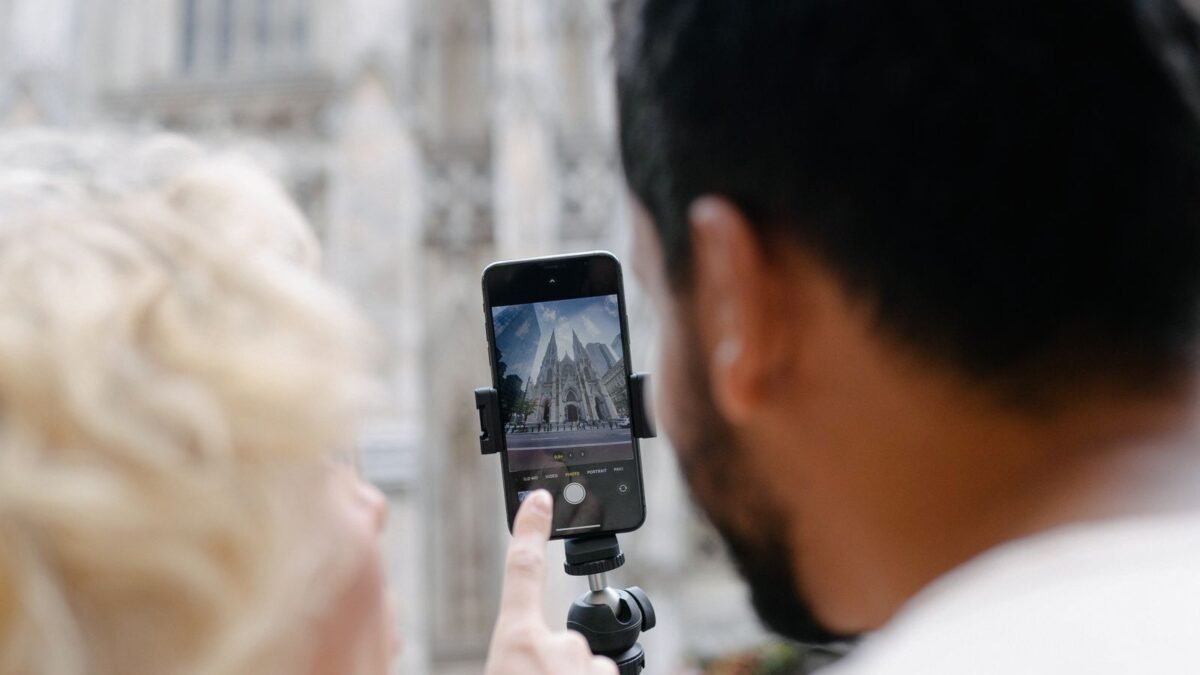
You do not need an expensive camera to bring home beautiful travel photos. Modern phones are remarkably capable — what separates a forgettable snapshot from a photo you will treasure is mostly technique. These simple tips will transform your travel photography starting with your very next trip.
Clean Your Lens First
It sounds almost too simple, but a phone that lives in pockets and bags always has a smudged lens. A two-second wipe with a soft cloth removes the haze and softness from every photo you take. Make it a habit before every shot.
Use the Golden Hours
Light makes the photo. The hour after sunrise and the hour before sunset — the golden hours — give you warm, soft light that flatters everything from landscapes to portraits. Midday sun, by contrast, is harsh and creates deep shadows. Plan your sightseeing photography for early morning or late afternoon whenever you can.
Follow the Rule of Thirds
Turn on your camera’s grid lines and place your subject along one of the lines or at an intersection point, instead of dead center. Put the horizon on the top or bottom third line rather than across the middle. This one change makes photos feel instantly more professional.
Get Closer — or Step Back
Most travel photos are taken from too far away. Move closer to fill the frame with your subject, whether it is a street vendor, a temple carving, or your travel companion. Other times, step back to show the scene around the subject and tell the whole story. Avoid the digital zoom — it simply degrades the image. Use your feet instead.
Look for Leading Lines
Roads, rivers, fences, staircases, and railway tracks pull the viewer’s eye into the photo. Position yourself so a natural line leads toward your subject, and an ordinary scene becomes a compelling one.
Add a Human Element
A landscape is prettier with a person in it — it adds scale, life, and story. Ask a fellow traveler to stand in the scene, include local people going about their day (politely, and ask permission for close portraits), or use a timer to place yourself in the frame.
Watch the Background
Before you press the shutter, glance at what is behind your subject. Move a step or two to remove trash bins, stray signs, or a pole that appears to grow out of someone’s head. Clean backgrounds make subjects stand out.
Take More Than One Shot
Professionals take dozens of frames to get one keeper. Vary your angle — crouch down, stand higher, move left and right. Shoot both vertical and horizontal versions. You can delete the extras later, but you can never go back and retake a moment.
Edit Lightly
A small edit goes a long way: straighten the horizon, lift the brightness slightly, and add a touch of contrast. Free apps built into your phone can do all of this in seconds. Resist heavy filters — natural-looking photos age the best.
The best camera is the one in your pocket, and the best technique is simply paying attention. Slow down, look at the light, and take one more step closer — your future self will thank you for the memories.